
80 vs 100 tine matcha whisk: which one to choose
Tine count is the main spec printed on a bamboo whisk. Here is what it actually changes in your bowl — and which number fits the way you drink matcha.
What "tines" means
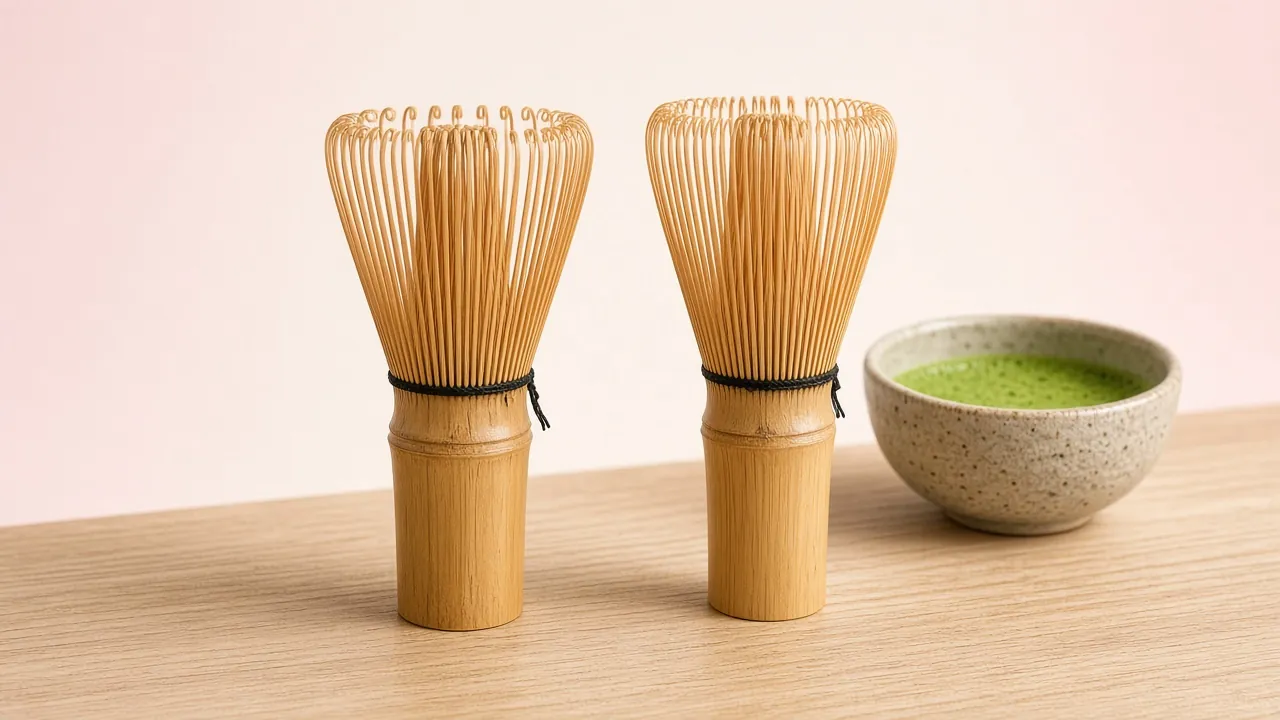
The tines (or prongs) are the thin bamboo strips that make up the head of a chasen. Manufacturers usually count the outer tines: 70–80 is the classic everyday range, 100 is the "dense" range and 120 is a speciality option. If you want the basics of how a chasen is built first, start with our matcha whisk guide and come back here for the comparison.
80 tines: the sturdy all-rounder
An 80-tine whisk has slightly thicker, more spaced tines.
- Foam: good, light foam — perfect for a classic usucha.
- Speed: needs a few more seconds of brisk whisking to reach a fine texture.
- Durability: thicker tines are less likely to snap, a real plus while you learn the movement.
- Best for: beginners, daily hot matcha, people who whisk quickly and a bit firmly.
100 tines: denser, creamier foam
A 100-tine whisk packs more, finer tines into the same head.
- Foam: smaller bubbles and a thicker, creamier layer — very noticeable on lattes.
- Speed: reaches a smooth foam faster, because more tines move more liquid per stroke.
- Durability: finer tines are more delicate; soaking before use and a holder matter more.
- Best for: people who love a velvety texture, latte drinkers, anyone who already has a good wrist movement.
Side-by-side summary
- Looking for forgiving and robust? Choose 80.
- Looking for the creamiest foam in the least time? Choose 100.
- Making mostly iced drinks? Either works; many people pair a bamboo whisk with an electric one for speed — see our electric matcha whisk guide.
Does more tines always mean better?
No. A well-made 80-tine chasen will outperform a poorly cut 100-tine one. Look first at regularity: even tines, consistent curls and a tight thread. Then choose the count that matches your habit. Technique also matters more than numbers: if your foam is still bubbly, the fix is usually in the wrist, not the whisk.
Lifespan and care
Both last for months with daily use if you soak them before whisking, rinse them in warm water and dry them on a holder. The 100-tine whisk is a little less forgiving of being left wet in a drawer, so give it air.
Our pick
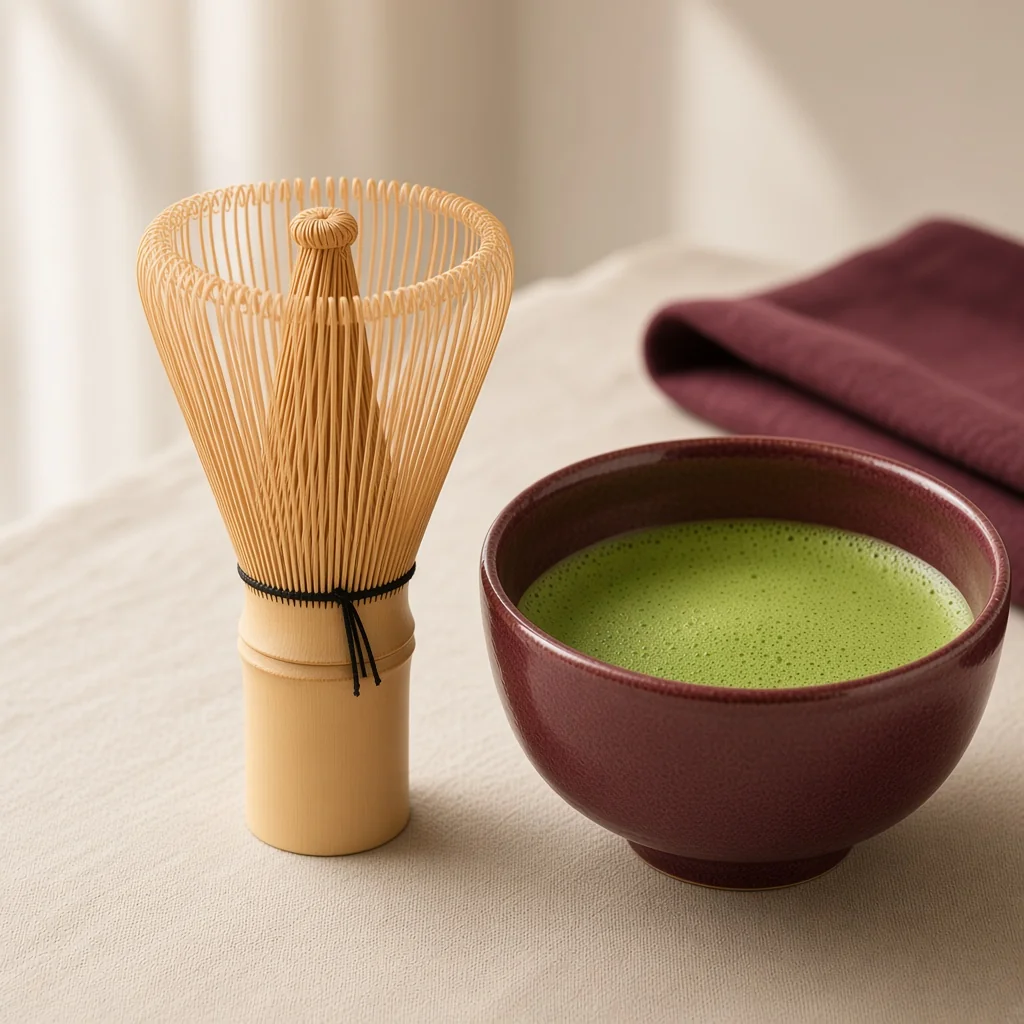
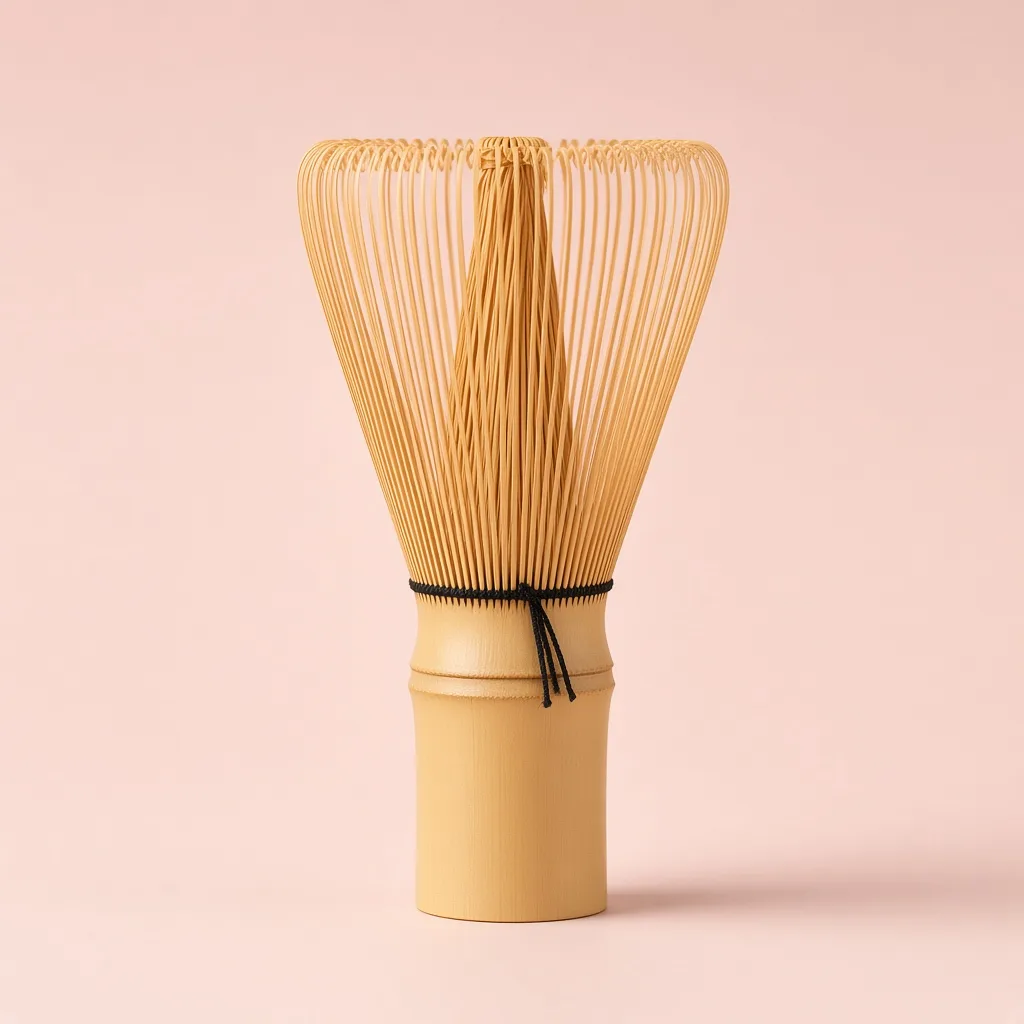
For a first whisk, our classic handmade chasen is the safe choice. If texture is your priority, the 100-tine bamboo matcha whisk is the upgrade. Both are part of the matcha whisk collection. Still undecided between more models? The matcha whisk buying guide walks through every criterion.
Léo Matcha sells matcha accessories only — no matcha tea or powder. Use the matcha you already love.
Tools mentioned in this guide
Keep reading
Chasen, 100 tines or electric: how each whisk type works and what it is for
Bamboo chasen, 100-tine or electric whisk: what a chasen is, 80 vs 100 tines, electric whisks, technique, care and how to choose. A practical guide by Léo Matcha.
Read the guide →
What is a chasen? The bamboo matcha whisk explained
What a chasen is, how a bamboo matcha whisk is made, its parts (tines, knot, handle), bamboo types and how to recognise a well-made one.
Read the guide →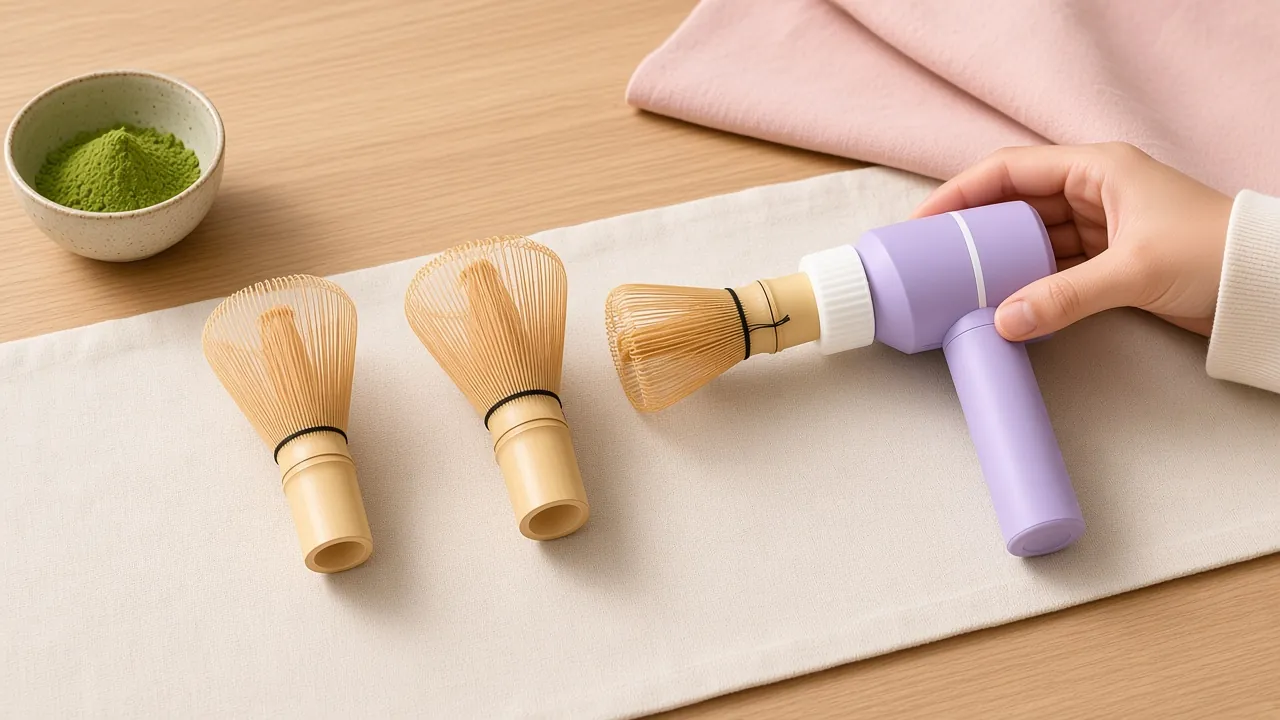
How to choose a matcha whisk: a buying guide
Buying a matcha whisk? Four questions to pick between a classic chasen, a 100-tine whisk and an electric one, plus the quality signs to check before you buy.
Read the guide →